Throughout this series, we’ve explored a simple but deeply important principle: people flourish when they are placed where they belong.
In Part 1, we reflected on Samuel calling David in, a reminder that God often identifies the person before the position is ever visible. Calling precedes appointment, but it is confirmed through discernment, process, and community.
In Part 2, we explored the five Cs of recruitment, Calling, Character, Competency, Culture, and Chemistry, a framework designed to help leaders place people wisely and help individuals work in alignment rather than toil in misalignment.
Taken together, these principles remind us that recruitment is never merely functional. It is deeply formative.
Leadership as Stewardship of People
Leadership is not just about filling vacancies or achieving outcomes. At its heart, leadership is stewardship, of people, purpose, and potential.
When leaders rush placement, people may perform, but often at the cost of joy and sustainability. When leaders discern well, people grow, teams strengthen, and organisations flourish.
Wise leadership asks not only:
“Can this person do the job?”
but also:
“Is this the right season, seat, and setting for them?”
Calling Requires Community
Calling is rarely clarified in isolation. Scripture consistently shows that calling is recognised, tested, and affirmed in community.
That’s why godly leadership values:
• Prayerful discernment
• Shared wisdom
• Accountability
• Time
Calling without character lacks credibility. Calling without competence lacks effectiveness. Calling without community lacks protection.
But when all three come together, people are empowered to step into work that is life-giving and fruitful.
From Toiling to Working
Work, as God intended it, brings purpose and fulfilment. Toil, by contrast, drains energy and joy.
The difference is not effort, but alignment.
Many people are capable, committed, and hardworking, yet remain weary because they are seated in the wrong place. One of the greatest gifts leaders can give is the courage to help people move into roles where they can truly flourish.
So, let me conclude with this Invitation
Whether you are a leader, a team member, or someone prayerfully considering your next step, here are three questions worth holding before God:
• Am I working – becoming what God created me to be or merely toiling?
• Am I sitting in the right seat, in this season?
• As a leader, am I placing people for flourishing, not just for function?
As we seek to “call them in,” may we be leaders who listen well, discern wisely, and place people faithfully, trusting that God continues to call, equip, and appoint in His time.
When people are placed in the right peg hole, work becomes worship, teams become healthier, and organisations reflect something of God’s good design.
It’s vital to make sure that people in the workplace are sitting in the right seat in relation to their role. Too many people today are on the right bus but in the wrong seat. And when that happens, even good people can end up toiling rather than truly working.
If we are to enjoy life to the full, that must include experiencing work as God intended, purposeful, fulfilling, and aligned.
So, let’s look together at what I believe is a godly and practical strategy for recruiting the right people into the right roles at the right time. Here at UCB, we refer to this as the five Cs of recruitment.
Their purpose, from a leadership perspective, is to help ensure that people are sitting in the right seat and able to fulfil their God-given assignment. The benefit for employees is that they are able to give their best, driven by purpose, not merely performance.
1. Calling
Calling asks the question: Do we believe we are living out our life assignment – the work God has uniquely entrusted to us?
God never asks someone to do something without also providing what is needed to do it well. In Scripture, calling is often accompanied by God’s equipping, what the Bible refers to as anointing. This is not a mark of status, but a sign of empowerment for responsibility.
David was called, then anointed, and only later appointed. God’s order matters. Calling is normally confirmed over time through character, competence, and community discernment. It is a process through which God shapes us into who He desires us to become.
2. Character
If we are to become the people God desires us to be and the kind of people others can trust and follow, we must pay close attention to our inner life.
Reputation is what others think of us; character is who we truly are.
We may not always control the situations we face, but we always have a choice in how we respond. Scripture places enormous weight on character, so much so that the Bible could rightly be described as a manual for godly living. It is filled with both positive and cautionary examples, given for our learning and growth.
God cares deeply about who we are becoming, not just what we are achieving.
3. Competency
Competency matters, even in ministry.
Competency is the ability to apply knowledge and skills effectively to achieve the desired outcome. While character is foundational, calling without competence can limit impact.
As I often say, if I needed major surgery, choosing between a surgeon with excellent character but no competence, and one with competence but no character, would not take long. This is not to diminish character, but to highlight that both are essential.
Character is who we are; competence is what we can do. And whatever we are called to do should be done wholeheartedly and excellently. If we want to grow in our assignment, we must also be willing to sharpen our skills.
4. Culture
Culture shapes behaviour.
At UCB, we seek to cultivate a kingdom culture – a values-based way of working where biblical principles shape our purpose, priorities, and practices. Jesus summarised this clearly:
Love God wholeheartedly and love your neighbour as yourself (Luke 10:27).
We describe this as our PPF culture – Putting People First. That means serving our audiences well but also serving one another internally as we ourselves would wish to be served.
Healthy culture isn’t just about what we believe – it’s about how we treat people every day.
5. Chemistry
Finally, chemistry matters.
Chemistry speaks to how people relate, collaborate, and function together. Good chemistry strengthens trust, improves communication, and enhances team performance. Without it, even capable teams struggle to flourish.
That’s why fit matters. Being in the right role, with the right people, enables individuals to give their very best, not just completing tasks, but becoming who God created them to be.
Let me conclude
When people are misplaced, they may still perform, but often at the cost of joy and fulfilment. When people are well placed, work becomes life-giving rather than draining.
So, as you pray for vacancies to be filled, call them in just as Samuel called David.
And remember this pattern:
God calls. God equips. And, in time, God appoints.
May we be leaders who discern wisely, place people well, and help others enjoy their God-given work rather than merely enduring a job.
Recruiting and placing people well is one of the greatest responsibilities leaders carry and one of the most challenging.
Too often, recruitment becomes reactive rather than reflective. Roles are filled quickly, urgency outweighs discernment, and capable people end up sitting in the wrong seat. The result is familiar: frustration, fatigue, and far too many people toiling when they were created to work.
In this short series, Call Them In, we explore a biblical and leadership-informed approach to recruitment, placement, and purpose. Drawing from the story of Samuel and David, we reflect on the principle that calling often precedes appointment and that discernment, process, and community are essential in recognising who belongs where.
Across three parts, we will:
• Rediscover the difference between work and toil
• Explore a practical framework – the five Cs of recruitment
• Reflect on leadership as stewardship of people, not just positions
Whether you are a leader responsible for placing others, or someone discerning your own next step, this series invites you to pause, reflect, and ask deeper questions about purpose, alignment, and flourishing.
Because when people are placed well, everyone benefits.
Right People, Right Place! – Part 1
The prophet Samuel had David brought in; in other words, he called him in.
“Then the LORD said, ‘Rise and anoint him; he is the one.’ So Samuel took the horn of oil and anointed him in the presence of his brothers, and from that day on the Spirit of the LORD came powerfully upon David.”
(1 Samuel 16:13 NIV)
Recruiting the right person can be very challenging. Some time ago, as we were seeking to fill a vacancy here at UCB, I sensed the Holy Spirit impressing on me a simple but powerful thought: “Call in the person needed for this assignment, just as Samuel called for David.”
This was not a suggestion to bypass good process or responsible governance, but a reminder that discernment must sit alongside decision-making. As we prayed, reflected, and followed due process, the right person responded and we were deeply encouraged to see God at work through both spiritual attentiveness and practical wisdom.
You see, God knows the right person for the right place at the right time to do the right work, just as He knew David. Scripture consistently shows us that God’s calling often precedes public recognition. At the same time, calling is normally confirmed through community, character, and competence. God’s guidance is rarely isolated; it is discerned together.
Not only does God prepare people with the abilities needed for their assignment, but He also equips them inwardly for the responsibility they are to carry. Any sense of God’s anointing must always be held alongside accountability, fruitfulness, and integrity.
So today, if you are seeking to fill a vacancy, don’t simply rely on instinct or urgency. Prayerfully discern, involve wise counsel, and trust that God will help you recognise the right person for the assignment. When discernment and process walk together, leaders are far less likely to be disappointed.
Work Before the Fall, Toil After the Fall
Before we explore what we call here at UCB the five Cs of recruitment, it’s important to understand a foundational principle: there is a difference between work and toil.
Have you ever noticed that the word work appears in Scripture before the fall, while the word toil appears after the fall?
Genesis 2:15 tells us that God placed Adam in the Garden of Eden to work it and take care of it. Work was not a punishment, it was the very first assignment God gave humanity.
After the fall, however, Genesis 3:17 introduces toil. Toil is described as painful, fatiguing, and burdensome effort. It is not effort itself that defines toil, but effort disconnected from purpose and alignment. This goes a long way toward explaining why so many people experience deep dissatisfaction in their working lives.
Your Job Is Not Your Work
Your work is not your job.
A job is something you are trained for, paid for, and one day may leave behind. A job is often temporary. Your work, however, is what you were created for. It is the unique contribution you bring to the world through your gifts, values, and calling.
Work is not merely about productivity; it is about becoming. From a biblical perspective, work is the expression of who God created you to be. Toil, by contrast, often occurs when someone is capable and hardworking but misaligned with their true assignment.
This does not mean that meaningful work is always easy. Scripture is clear that even those living fully within God’s purposes experience challenge and perseverance. The difference is that aligned work, though demanding, brings fulfilment, while misaligned work drains life.
That is why I often say to my wife Jackie that while one day I may retire from paid employment, I can never retire from what God created me for. I can step away from a role, but not from my purpose.
A Leadership Responsibility
Research tells us that around one third of our lives, approximately 90,000 hours are spent working. That makes leadership decisions around recruitment and placement profoundly significant.
When leaders help people step into roles aligned with their design, they are not just filling vacancies, they are stewarding lives. When people are consistently placed out of alignment, even the most capable individuals can end up toiling rather than working.
This is why discernment in recruitment matters so deeply.
A Question to Reflect On
So let me leave you with this question:
Are you working – becoming what God created you to be or are you toiling, enduring a role rather than living out your true assignment?
And as leaders, are we creating environments where people can work with purpose, or incidentally placing them in positions where toil becomes inevitable?
Next time, we’ll explore what we call here at UCB the five Cs of recruitment, a framework designed to help leaders discern wisely and place people well.
Until then, let’s be intentional about ensuring that we are truly working, not merely toiling.
CHOICES MADE TODAY WILL FOR SURE AFFECT OUR TOMORROW.
As we begin 2026 new chapter, Paul’s words in Philippians 4:1–8 offer great wisdom and spiritual clarity. These intentional steps of faith affirm our identity, belief, behaviour, and ultimately our destiny.
Let’s walk through them together:
1. “Stand fast in the Lord, beloved.”
Choose to be anchored in your identity. You are loved, not for what you do, but for who you are in Christ.
2. “Be of the same mind in the Lord.”
Choose unity. Resolve conflict intentionally. Never forget, division delays destiny.
3. “Rejoice in the Lord always.”
Choose joy. Not circumstantial happiness, but Spirit-rooted rejoicing. Joy is resistance. Joy is warfare.
4. “In everything by prayer…”
Choose prayer. Make it your lifestyle, not your emergency calls.
5. “Be anxious for nothing…”
Choose response over reaction. Anxiety shrinks vision. Prayer expands peace.
6. “Meditate on these things…”
Choose to protect your mind. Remember your thoughts shape your beliefs. Your beliefs shape your destiny.
As we journey 2026, let’s do so with:
• Gratitude for what God has done.
• Faith for what He’s about to do.
• Purpose that refuses to settle.
• Prayer that refuses to quit.
So, let’s walk into this year with courage in our step and surrender in our hearts, united, expectant, anchored, and ready for the story God is still unfolding.
For our future is not something we wait for. It’s something we build, choice by choice, step by step, in Christ.
“Therefore I will look unto the Lord; I will wait for the God of my salvation: my God will hear me.” Micah 7:7 (KJV)
We are still in the opening weeks of January. As one year ended and another began, many people around the world set new goals and intentions, commonly known as New Year resolutions. A fresh year often brings fresh motivation, but experience tells us that good intentions can quickly fade. The question is not whether we make resolutions, but whether we choose ones that will truly sustain us.
Micah 7:7 offers us a set of resolutions that never expire. Written against a backdrop of turmoil and uncertainty, this verse reminds us that God remains faithful even when the world feels unstable. Within this single verse, Micah reveals three powerful, timeless commitments that provide direction for every believer:
“Look unto the Lord” – Faith
“Wait for the God of my salvation” – Patience
“My God will hear me” – Trust
These are not temporary objectives, but spiritual resolutions that anchor us throughout every season of life.
1. A Resolution of Faith: Look Unto the Lord
Micah begins by fixing his focus on God. Faith is not merely believing in God, it is choosing to live with our eyes set on Him. Scripture reminds us that “we walk by faith, not by sight” (2 Corinthians 5:7). As we move through this year, our journey must be shaped by God’s promises rather than by what we see around us. When we allow God’s Word to guide us, it becomes a lamp to our feet and a light for our path.
2. A Resolution of Patience: Wait for God
Waiting does not come easily, yet Micah understood that strength is renewed in the waiting. Isaiah 40:31 assures us that those who wait on the Lord will rise with renewed strength. Patience grows when we trust God’s timing, remembering that He “makes everything beautiful in its time” (Ecclesiastes 3:11).
3. A Resolution of Trust: My God Will Hear Me
Micah’s confidence rests in the certainty that God hears him. This is not wishful thinking; it is trust grounded in God’s character. “The righteous cry out, and the Lord hears them” (Psalm 34:17). When we pray, we can be confident that our God listens and responds.
So, Moving Forward
As we continue into this new year, let us embrace these lasting resolutions: to live by faith, to wait with patience, and to trust with confidence. These commitments do not depend on circumstances but on God’s unchanging faithfulness.
May our journey in 2026 be marked by faith, patience, and unwavering trust in the God who hears and answers the cries of His people. And as we make these good resolutions, let us lean on His grace to see them fulfilled for His glory.
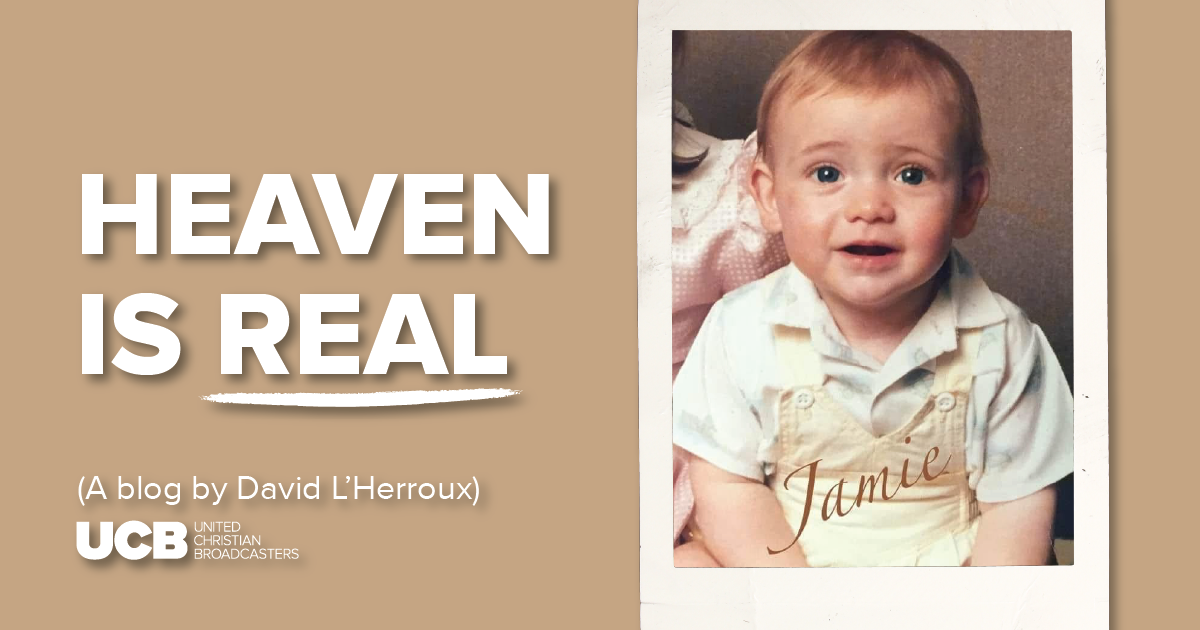
In 1988, the unthinkable happened in our family when our 13 month old son Jamie, died suddenly. In a blur of blue lights, we raced behind the paramedics as he was rushed to hospital but when we arrived, we were told there was nothing the doctors could do. Jamie had gone to be with the Lord. Later that day as I stood in the Chapel of Rest at the hospital, my heart shattered, I cried out to God and asked Him to bring Jamie back. In the quiet, I felt God speak into my spirit: “He will not come back to you, but you will go to him one day.”
I later learned these were the words God spoke to King David after the loss of his own son. Over the years, those words have given me immense hope and comfort because they remind me that there is a world beyond this one. I believe we will see Jamie again one day. Today, January 16th would have been Jamie’s 38th birthday. It is almost hard to believe that so much time has passed, as the events of that day still sometimes feel like they happened just yesterday. Throughout the years we have been sustained by one miraculous truth – heaven is real. If you have lost someone you love, you will know the heartache of earthly loss but I want to encourage you to know and believe that Heaven is not a myth, it is a very real place.
The Scriptures provide a wealth of details about Heaven. It is where God lives (Psalm 23:1) and was designed for us. God doesn’t need a place to live; He is self-sufficient. However, He made Heaven for us. God’s heart was to create a home and a family, and He loves us so much that He has adopted us into His family so that we can spend eternity with Him. But He also gave us a choice. Where we spend eternity will be determined by the choices we make in this life—whether we choose to accept the free gift of Jesus or not.
What is Heaven like?
Jesus said that He would go to prepare a place for us (John 14:3). In Revelation 22, we are given a beautiful picture of a place with trees and a river “clear as crystal” flowing down the middle of the street. Heaven is also described as a place where God’s people will live with Him forever, and where all tears, grief, pain, and death will be wiped away. It is a place where the “old order of things has passed away” (Revelation 21). If you are like me, sometimes you might think: “Lord, it’s dreadful down here…” But the thought of a perfect world to come with no pain gives us great hope.
Living for Today
While we look forward to eternity with great expectancy, it is important to live with purpose while on this Earth—to be fully present in the life we have been given. It is ok to dream and look forward to a day when we can shed our “suit” of flesh and blood, but we should not forget that God has a purpose for us now.
In 2 Corinthians, Paul says that we are ambassadors of Christ. If I was a political ambassador, it would mean that I had an important purpose but that ultimately, I was a citizen of another country. The same is true when we are Christ’s ambassadors. Our appointment and purpose are from God, and we have a heavenly assignment to speak God’s heart to the country and situation we are currently in.
If you are in a difficult situation or have lost someone you love, can I encourage you: Heaven is real. As believers, it is a place we can look forward to with expectancy. I believe that I will one day be reunited with both my son and grandson. But until that day, let’s live for the here and now.
Let’s make it our goal to share this truth, this hope, with as many people as possible until the day God finally calls us home.
A New Year marks the passing of time – a reminder of the ongoing flow of our lives. Each tick of the clock brings us closer to our dreams or further from our regrets. Embrace this crossing over from one year to the next, for it carries with it the lessons of the past and the promise of the future. As you step into 2025, let time be your teacher, not your enemy. Reflect on the moments that shaped you and use them to fuel your growth: “Teach us to number our days, that we may gain a heart of wisdom” (Psalm 90:12).
Aligning Your Priorities
A New Year is an opportunity to realign your priorities. What truly matters to you? Is it family, health, personal growth, ministry, or something else? Take this time to evaluate where you are investing your energy and ensure it aligns with your core values. Let 2025 be the year you focus on what truly makes your heart sing: “But seek first the kingdom of God and His righteousness, and all these things will be added to you” (Matthew 6:33).
Uncovering Your Purpose
Purpose gives life meaning. As you enter a new year, reflect on what drives you. What are you passionate about? What impact do you want to have on the world? Use this moment to refine your sense of purpose and let it guide your actions throughout the year. But remember, your purpose doesn’t have to be grand; it just needs to be true to who you are: “For I know the plans I have for you, declares the Lord, plans for welfare and not for evil, to give you a future and a hope” (Jeremiah 29:11).
Crafting Your Vision
A clear vision will transform your life. Think about where you see yourself by the end of 2025. Visualise your goals and the steps needed to achieve them. This is your opportunity to redefine your life’s vision, to dream bigger and reach higher. Let your vision be a beacon that illuminates your path and guides your decisions: “Write the vision; make it plain on tablets, so he may run who reads it” (Habakkuk 2:2).
Setting Meaningful and Realistic Goals
Goals give structure to our expectations. Take this opportunity to set new, worthwhile goals for the year ahead. Whether they are personal, professional, or spiritual, ensure they are meaningful and realistic. Break them down into smaller steps and celebrate each milestone along the way. Let 2025 be a year of growth, progress, and accomplishment: “Commit to the Lord whatever you do, and He will establish your plans” (Proverbs 16:3).
Embracing a Fresh Start
The past is a teacher, not a jailer. Take the lessons learned and leave behind the burdens of the past year. A New Year is a chance to bury past mistakes, regrets, and failures, and to step into a future filled with hope and possibilities. Embrace the fresh start that 2025 offers and move forward with a renewed spirit and determination: “Behold, I am making all things new” (Revelation 21:5).
May this New Year bring you clarity, purpose, and a renewed sense of destiny. Embrace the opportunities that come with the passing of time, and let 2025 be your year of transformation and unprecedented growth.
I am thrilled to share an important update with you as we open a new chapter in the story of United Christian Broadcasters. Since God clarified our vision through a prophetic insight in 2016, I have felt deeply moved by His calling and guided by what we now call, the ‘iSee’ vision – a vision to witness an unprecedented move of God across the UK and beyond. This vision is at the heart of everything we do at UCB, inspiring and driving me every day.
As CEO, my role over the years has grown to encompass the oversight of UCB’s work across Europe and South Africa, and it has been a privilege to serve in this expanded capacity. After much prayer and reflection together with our UCB Board, we strongly feel that within my role as CEO, it is time to focus more fully on an apostolic ministry role, sharing our broader vision and ministry and deepening our impact to our much-needed world. This shift means I will be stepping back from the daily operations of UCB to concentrate on this wider aspect of our mission.
To support this transition, I am delighted to announce that, as of November the first, Mark Oakes has taken on the role of UCB’s Managing Director. Mark brings a great background to this position, with 17 years of experience as the UK Director for Christ for All Nations (CFAN). Over the three years he has been a valuable part of UCB, first as a Trustee on our Board and most recently as our Director of Communications. Mark has a true heart for revival and a deep connection to UCB’s vision, and I am confident he will lead our daily operations with wisdom, dedication, and passion.
In the coming months, Mark and I will work closely together to ensure a seamless transition, keeping UCB on course as we pursue God’s calling. I invite you to join us in prayer for Mark, his wife Kerrie, and their family, as well as for our entire UCB team, as we step into this new and exciting chapter together. Thank you for your unwavering support, your prayers, and your partnership. This new season represents a significant milestone for UCB, and I believe it will be a season of extraordinary growth and impact. Together, we are building for the future, empowered by a shared mission to bring God’s hope to a world in need
In February 1988, our lives as a family were going well. We had three beautiful children, and I was moving up the ladder in my career with a retail chain.
Our beautiful three children
I have always been an early bird, and my morning routine before leaving for work was to check on our youngest son Jamie, who was 13 months old. On the morning of February 9, I left for work but for some reason that day, I did not check on him. I arrived at work and just after 9am, I received an urgent phone call from a neighbour who said, ‘something has happened to Jamie, you need to come home.’
The details were not clear at that point, so I jumped into the car and drove home like I have never driven before. As I was racing along, the word ‘death’ kept coming into my head, and I screamed out to the Lord, ‘No, Lord… no, this CANNOT be true.’
JamieJamie
As I arrived at home, the front door was open, the paramedics were working on Jamie, and I could hear the desperate cries of my wife. I still did not know what was going on, but I learned that our son Richard, who was 10, had found his brother unresponsive in his bed. The paramedics took Jamie to hospital, blue lights and sirens blazing, and my wife and I followed behind in the car. When we arrived at Casualty, we were met by the doctor and were not allowed to see Jamie while they worked on him. Eventually a doctor came out and we could see by the look on his face that it was not good news. Our beautiful son had died at 13 months old from sudden infant death syndrome.
We were numb, confused, angry and had many questions. Jamie had been for a routine check-up just a few weeks earlier and was fine. Had we done something wrong? Could this have been stopped? It felt as though we were trapped in a nightmare and we struggled to understand.
The hospital staff eventually told us that Jamie’s body was in the Chapel of Rest and asked if we wanted to see him. My wife did not feel able to go, so I went to spend some time there on my own. As I stood there, my heart cried and ached, and I said, ‘God, I KNOW you can do this, I know you can bring him back.’ As I prayed, I suddenly felt a strange tap on my shoulder. I immediately looked around, but no one was there. This happened three times, and each time, there was no one behind me. But then very clearly, I felt God speak into my spirit. I cannot say for sure if it was an audible voice, but I know God spoke:
‘He will not come back to you, but you will go to him one day.’
I learned years later that these were words spoken by King David in 2 Samuel 12:23 after he lost his own infant son. Although I did not recognise at the time where the words came from, I knew God was saying there was nothing more we could do. He had taken Jamie home. In one sense, it released me from the burden of praying for God to restore Jamie to us, but that did not stop us from feeling the desperate agony of grief.
In the days ahead, although our lives were shattered, we tried to keep things as normal as we could for our children, Richard and Natalie. Our church family gathered around us, and our pastor, John Mosey, was a wonderful friend, supporting us through the many practical arrangements we had to make. Little did we know that John would face his own terrible family tragedy toward the end of the year, but I will talk more about that in another blog post. The church’s support was incredible, but we still had so many questions. I felt God speak to me clearly one day: Stop asking me why. Ask me what I am going to do through it.
Two weeks later, I had been due to speak at our church. Our pastor said I did not have to do it, but I was able to share a short word on Romans 8:31: ‘If God is for us, who can be against us.’ I asked our church family to pray for us, and I also encouraged them to be as normal as they could with us. We didn’t want people to stay away or think that we did not want to see their children or their babies. We knew this would be an important part of rebuilding our lives.
Throughout all that time, I can say that I felt God was lifting me. I had to grieve, but I also had the responsibility of caring for my wife and children too. My mother gave me a copy of the famous Footprints poem, and I knew that despite our shock and grief, God was carrying us through the darkest time of our lives.
Today as a family, we live and enjoy a good life. It is a different life which will always be scarred by losing Jamie, but we are not broken. We have been through many stages of grief, and up until recently, I was struggling with many private emotions. In a future blog post, I will share more on this and how I feel God has set me free from the burden of guilt which I carried for many years.
If you are facing your own tragedy today, then if you are a believer, you can know that God is with you and will carry you through it. As believers, we are not protected from pain, and we should not con ourselves and think we can go through this life without heartache. But God can hold us together powerfully through the most terrible times of our lives and give us strength to keep going.
After a terrible loss, your life may never be the same again, but with God, it can still be a good life. He is the reason for our hope, and we know that one day we will see Jamie again.
In a previous blog, ‘How to turn a crisis into a testimony’, I wrote about the people of Israel and how they quickly turned from rejoicing to murmuring when they hit difficult times.
As I have been continuing to look at Exodus 15, I have been reminded that in the middle of a crisis, our response to what is happening is very important. As Moses faced the people, who were angry and irritable because of the lack of water, I love his response. He could have sought to justify himself, but instead he did not reply. In verse 25, it says that his first response was to go to the Lord to intercede on behalf of the people. And guess what: it says ‘The Lord showed him a tree’. And as Moses threw a branch into the water ‘the waters were made sweet.’
As I studied these verses, several things came to mind.
A tree does not grow overnight
Any gardener knows just how long trees take to grow – many, many years. God used a tree to bring help to the people of Israel, which means that God created an answer long before there was even a problem. And I believe He has done that for us too. Whatever bitter waters we find ourselves in today, God has already gone ahead of us, making sure that the answer is there and ready just when we face our most bitter crisis.
The answer was right there
In this particular situation, the answer was right there in front of their eyes, but they could not see it! In my experience, I have learned that often God’s answers are so close, and yet we can fail to see them. This is just like the widow with the small jug of oil in 2 Kings 6: the answer to her problem was there in her own house already, but she needed the prophet Elisha to reveal it to her. Can I encourage you that if you know the Lord as your personal saviour, then the answer to your situation is hidden within you, just as the same spirit that rose Christ from the dead also lives in you.
A miracle tree
In this story, God used a tree to make bitter waters sweet, but that tree also reminds me of the tree that Jesus died on over 2000 years ago. God threw his beloved son on to a tree to take the bitter sin of humanity so that anyone who believes in him would be able to discover the sweetness of life. You see, through Jesus we can not only have life, but we can experience abundant life.
Whatever situation you find yourself in today, whether it is the stress caused by the global situation or you are facing your own private ‘bitter waters’, I would like to encourage you that the answer to your problems lies in Jesus Christ, who also lives in you. You might say ‘David, I don’t know what to do or where to turn.’ Well, my advice is to at least call on his name. He promises us this in Psalm 50: ‘Call upon Me in the day of trouble; I will deliver you, and you shall glorify Me.’
He who never changes is able to bring peace to your bitter storm. Try it and see what happens.